
Keep Your Brain Sharp: The Ultimate Guide to Supporting Brain Health as You Age
Have you ever walked into a room & completely forgot why you went there? Or maybe you tried to remember someone’s name & it just wouldn’t come to you? Don’t worry — this happens to a lot of people, especially as they get older. But here’s the good news: your Brain is not just stuck the way it is. You can actually help it stay Strong, sharp, & healthy for many years to come.
As we age, our brains go through changes. Some of these changes are normal, like taking a little longer to remember things. But other changes can be more serious, like memory loss or trouble thinking clearly. The great news is that scientists have learned a LOT about how to keep the brain working well. Things like what you eat, how much you sleep, whether you exercise, & how you connect with other people can all make a big difference.
In this guide, we are going to talk about everything you need to know to support your Brain health as you age. We will cover food, exercise, sleep, mental activities, social connections, & even stress management. By the end, you will have a clear plan for keeping your Brain in great shape — no matter how old you are. Let’s dive in!
Why Brain Health Matters More Than You Think
A lot of people take care of their hearts, their bones, & their muscles. But not enough people think about taking care of their Brains. Your Brain controls EVERYTHING — how you move, how you feel, how you think, & how you talk. Without a healthy brain, it is really hard to enjoy life the way you want to.
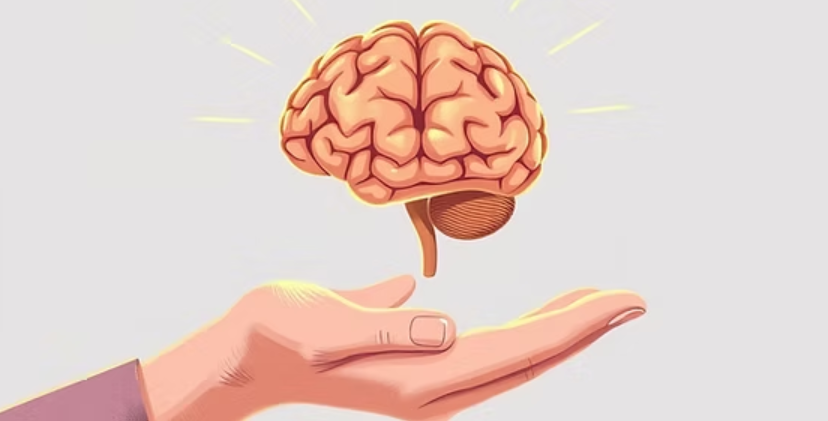
Here is something Surprising: brain changes can start happening in your 30s or 40s, not just when you are elderly. This means that the sooner you start taking care of your Brain, the better off you will be. Think of your Brain like a car. If you take it in for regular maintenance & give it good fuel, it runs smoothly for a long time. But if you ignore it & give it bad fuel, it starts breaking down faster.
Studies show that conditions like Alzheimer’s disease & dementia affect millions of people every year. These conditions don’t just affect the person who has them — they affect their whole family too. However, research also shows that healthy lifestyle habits can lower your Risk of developing these conditions. You have more Power over your brain health than you might think.
The Brain is also amazingly flexible. Scientists call this “Neuroplasticity,” which is a big word that simply means the brain can change & grow, even when you are older. Every time you learn something new or try a new activity, your Brain actually forms new connections. That is pretty amazing, right?
Feed Your Brain: The Foods That Make a Difference
You have probably heard the saying “you are what you eat.” Well, this is especially TRUE when it comes to your Brain. What you put in your body has a huge effect on how well your Brain works. Some foods are like rocket fuel for your Brain, while others can slow it down.
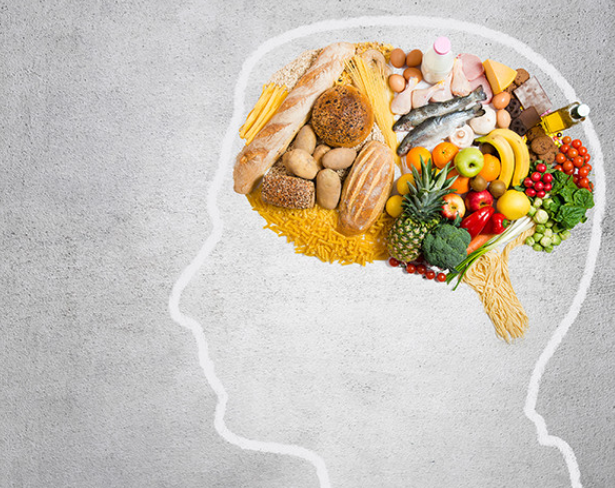
One of the best eating plans for Brain health is called the Mediterranean Diet. This way of eating includes lots of vegetables, fruits, whole grains, fish, nuts, & olive oil. People who eat this way have been shown to have lower rates of memory loss & Brain decline. Think of it as feeding your Brain a big, colorful plate of goodness every single day.
Foods rich in Omega-3 fatty acids are especially great for the Brain. These include fish like salmon, sardines, & mackerel. Omega-3s help keep the brain cells healthy & can even help reduce inflammation in the Brain. If you don’t like fish, you can also get Omega-3s from walnuts, flaxseeds, & chia seeds.
Blueberries are like little superheroes for your Brain. They are packed with antioxidants, which are tiny molecules that protect your Brain from damage. Studies have shown that people who eat blueberries regularly do better on memory tests. Adding a handful of blueberries to your breakfast every morning is an easy & delicious way to support your Brain.
On the flip side, too much Sugar, processed food, & unhealthy fats can actually hurt your Brain over time. These foods can cause Inflammation, which is like a slow fire burning inside your body. Chronic inflammation has been linked to a higher risk of brain diseases. So try to cut back on soda, candy, fast food, & packaged snacks as much as possible.
Move Your Body, Protect Your Brain
Here is something that might Surprise you: one of the best things you can do for your Brain is not something you do with your Brain at all. It is Exercise! Physical activity has a powerful effect on how well your Brain works, & the science behind it is really cool.
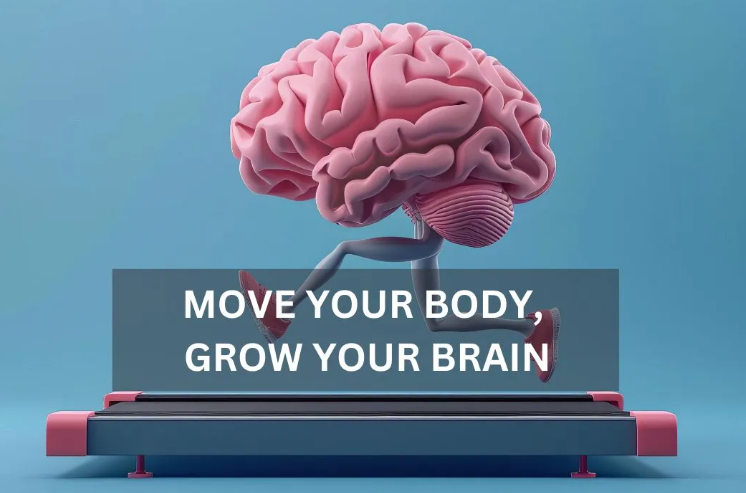
When you exercise, your heart pumps more blood to your Brain. This extra blood carries oxygen & nutrients that your Brain needs to stay healthy. Exercise also helps your Brain produce a special protein called BDNF (Brain-Derived Neurotrophic Factor). Think of BDNF as fertilizer for your Brain — it helps Brain cells grow & stay strong.
Research has shown that people who exercise regularly have larger hippocampuses. The hippocampus is the part of your Brain that is in charge of Memory & learning. A bigger hippocampus means better memory & a lower risk of dementia. Even walking for just 30 minutes a day, five days a week, can make a real difference.
You don’t have to run marathons or lift heavy weights to benefit your Brain. Fun activities like Dancing, swimming, gardening, or even playing with your grandkids all count as physical activity. The key is to keep moving & make it something you enjoy. If you love what you are doing, you are more likely to stick with it.
Strength training is also really important for Brain health. Lifting weights or doing exercises that use your muscles helps reduce Inflammation & supports healthy blood flow to the Brain. Try to add some strength training to your routine at least two or three times a week, even if it is just using light weights at home.
Sleep: The Secret Weapon for a Sharp Mind
If there is one thing that people don’t take seriously enough, it is Sleep. So many people think that sleeping less means they can get more done. But the Truth is, skipping sleep is one of the worst things you can do for your Brain. Sleep is not a luxury — it is a Necessity.

While you sleep, your Brain does some really important work. It sorts through memories from the day & decides which ones to keep. It also clears out harmful waste products, including a protein called Amyloid, which is linked to Alzheimer’s disease. Think of sleep as your Brain’s nightly cleaning session. Without enough sleep, the garbage starts to pile up.
Most adults need between 7 & 9 hours of sleep per night. But as people age, sleep can become harder to get. You might wake up more often during the night or have trouble falling asleep. These are common issues, but they are worth addressing because poor sleep is strongly linked to a higher risk of memory problems & cognitive decline.
Good Sleep Hygiene can help you get the rest your Brain needs. This means going to bed at the same time every night, keeping your bedroom cool & dark, & avoiding screens like phones & tablets before bed. The Blue light from screens tricks your Brain into thinking it is still daytime, which makes it harder to fall asleep. Try reading a book or doing some light stretching instead.
If you regularly have trouble sleeping, talk to your doctor. Sleep disorders like Sleep Apnea are very common & can seriously hurt your Brain health if left untreated. Getting help for sleep problems is one of the smartest investments you can make in your Long-term Brain health.
Keep Your Brain Busy: Mental Stimulation & Lifelong Learning
Your Brain loves a Challenge. Just like your muscles get stronger when you work them out, your Brain gets stronger when you push it to learn & think. Mental stimulation is one of the most powerful tools for keeping your Brain sharp as you age.
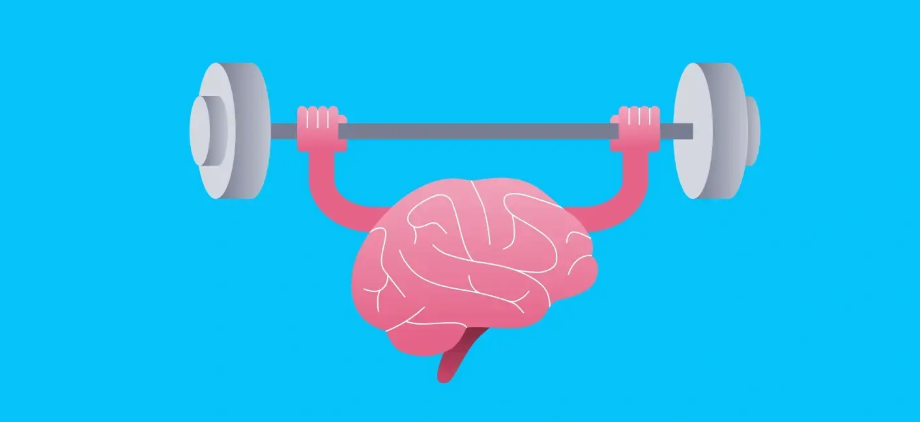
Learning something New is one of the best ways to stimulate your Brain. Have you always wanted to learn a new Language? Play a musical instrument? Try painting or woodworking? Now is the perfect time to start. When you learn something new, your Brain forms new neural connections, which makes it more Resilient & flexible. It doesn’t matter if you are 50 or 80 — your Brain can still learn.
Puzzles & Games are also great for Brain health. Things like crossword puzzles, Sudoku, chess, & even video games that require strategy can help keep your mind sharp. The key is to choose activities that challenge you a little bit. If something is too easy, your Brain doesn’t have to work very hard & you won’t get as much benefit.
Reading is another fantastic habit for Brain health. When you read, you exercise your Memory, your imagination, & your ability to understand complex ideas. Try to read a little every day, whether it is a novel, a magazine, or even a news article. The more you read, the more your Brain stays engaged & active.
Don’t underestimate the Power of creativity, either. Drawing, writing, cooking new recipes, or even rearranging your furniture can spark creative thinking that benefits your Brain. Creativity forces your Brain to make unexpected connections, which is great for keeping it flexible & healthy.
The Power of Connection: Social Life & Brain Health
Here is something that might make you want to call a friend right now: having strong Social connections is one of the best things you can do for your Brain. Studies have shown that people who are socially active have a lower risk of dementia & cognitive decline. Loneliness, on the other hand, can be very harmful to Brain health.

When you spend time with other people, your Brain gets a real workout. You have to listen, respond, remember things, & read social cues. All of these activities keep different parts of your Brain active & engaged. It is like a fun, built-in Brain exercise that doesn’t even feel like exercise.
Try to make Social connection a regular part of your life. This might mean having dinner with friends, joining a club or community group, volunteering, or even just calling a family member on the phone. Even small interactions, like chatting with a neighbor or talking to the cashier at the grocery store, can have a positive effect on your Brain.
If you feel lonely or isolated, don’t be afraid to reach out for help. Many communities have programs for older adults that make it easy to meet new people & stay connected. Your Brain — & your Heart — will thank you for it.
Managing Stress: Protect Your Brain from Burnout
Stress is a normal part of life. But when Stress becomes chronic — meaning it never really goes away — it can seriously damage your Brain. High levels of the stress hormone called Cortisol can actually shrink parts of your Brain over time, particularly the hippocampus, which is the Memory center we talked about earlier.

The good news is that there are many effective ways to manage Stress & protect your Brain. One of the most powerful is Mindfulness Meditation. This is simply the practice of paying attention to the present moment without judging it. Even just 10 minutes of mindfulness a day has been shown to reduce stress, lower cortisol levels, & even improve Memory & focus.
Deep Breathing is another simple but effective stress-relief tool. When you take slow, deep breaths, your nervous system calms down & your Brain gets a signal that everything is okay. Try taking five slow, deep breaths the next time you feel stressed & notice how much better you feel.
Other great stress-relief activities include yoga, spending time in Nature, journaling, listening to music, & laughing with friends. Yes, laughter is actually really good for your Brain! It releases feel-good chemicals called Endorphins that help reduce stress & support overall Brain health.
Conclusion: Start Today & Give Your Brain the Care It Deserves
Taking care of your Brain is one of the most important things you can do for yourself & for the people you love. The best part is, it doesn’t have to be complicated or expensive. Small, consistent changes to your daily habits can add up to a HUGE difference in how your Brain works over time.

Let’s quickly recap what we covered:
- Eat brain-friendly foods like blueberries, fish, vegetables, & whole grains, & cut back on sugar & processed foods.
- Exercise regularly — even a daily walk can protect & strengthen your Brain.
- Prioritize sleep & aim for 7-9 hours every night so your Brain can repair & recharge.
- Keep learning & challenge your Brain with new activities, puzzles, & hobbies.
- Stay socially connected because relationships literally feed your Brain.
- Manage stress with mindfulness, deep breathing, & activities you enjoy.
You don’t have to do everything perfectly. Start with one or two changes & build from there. Maybe this week you will add blueberries to your breakfast & take a 20-minute walk. Next week, you might call a friend you haven’t spoken to in a while. Every little step counts.
Your Brain has been working hard for you every single day of your life. Now it’s your turn to return the Favor. Start today — because a sharper, healthier Brain is absolutely within your reach, no matter your age.