
The Secret Power of Sound: How It Helps You Relax & Stay Focused
Have you ever noticed how a rainy day makes you feel sleepy & calm? Or how your favorite song can suddenly make you feel like you can do anything? Sound is all around us, every single day. It can make us feel happy, sad, scared, or super peaceful. But did you know that Sound can actually help your brain relax & focus better? It’s true! Scientists & researchers have been studying this for a long time, & the results are pretty amazing.

In this article, we are going to explore how Sound works on our brains & bodies. We will talk about different types of sounds that help people calm down or concentrate. We will also look at things like white noise, nature sounds, music, & even special sound techniques that doctors & therapists use. Whether you are a student trying to study, an adult who feels stressed at work, or just someone who wants to sleep better at night, this article has something for you. Get ready to discover the Secret world of Sound & how it can change your life in really cool ways!
Why Sound Matters More Than You Think
Sound is not just noise. It is actually a form of Energy that travels through the air in waves. When these waves enter your ears, your brain processes them & decides how to react. Sometimes your brain says, “This is dangerous!” & your body gets scared. Other times, your brain says, “This is peaceful,” & your whole body starts to relax. The way Sound affects us is both Physical & Emotional.
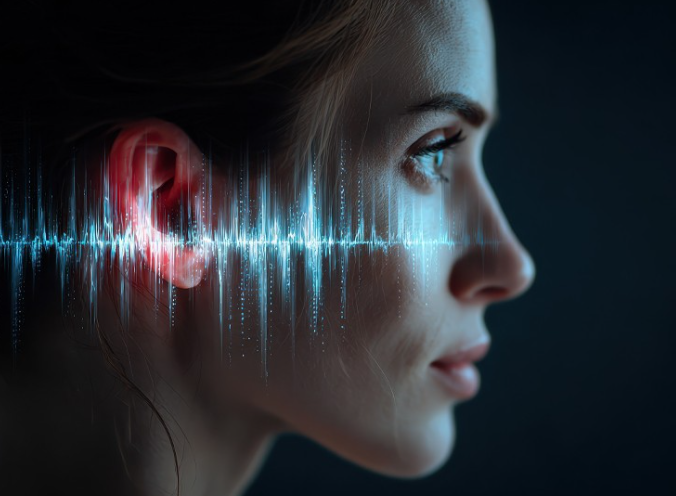
Think about a time when you heard a really loud, sudden noise — like a car horn or a door slamming. Your heart probably started beating fast, right? That is because your brain told your body to get ready for danger. Now think about the opposite — imagine lying on a beach & hearing gentle ocean waves. Your shoulders probably drop, your breathing slows down, & you feel peaceful. That is the Power of Sound working on your body without you even trying.
Scientists call this the “Psychoacoustic” effect. It is a big word, but it simply means how Sound affects the way we think & feel. Different Frequencies — which are basically the high & low pitches of sound — affect the brain in different ways. Low, slow sounds tend to calm us down. High, fast sounds tend to wake us up or make us alert. This is why lullabies are slow & soft, while alarm clocks are loud & sharp.
Understanding why sound matters is the First step to using it better in your life. You do not have to be a scientist to take advantage of this. You just need to pay attention to what you are hearing & how it makes you feel. Once you become aware of Sound, you can start making smarter choices about what you listen to every day.
Nature Sounds: The Original Relaxation Tool
Long before people had headphones or speakers, they had Nature. Birds chirping, rain falling, rivers flowing — these sounds have been calming humans for Thousands of years. And guess what? They still work today! Research shows that listening to Nature sounds can lower your heart rate, reduce stress hormones like cortisol, & even help you fall asleep faster.

One study done at Brighton and Sussex Medical School found that people who listened to Nature sounds had their brains shift into a more “outward focus” — meaning they stopped worrying about their own problems & started paying more attention to the world around them. This is actually really Helpful because a lot of our stress comes from thinking too much about ourselves & our problems. Nature sounds give our brains a little Vacation without us going anywhere.
Different nature sounds do different things. Rain sounds are great for sleep & relaxation because they create a soft, steady rhythm that the brain finds very Soothing. Birdsong is actually great for focus & creativity — many studies suggest that the sound of birds signals Safety to our brains, which helps us concentrate better. Forest sounds, like rustling leaves & wind through trees, help reduce anxiety & create a sense of Calm.
You do not need to go hiking in a forest to enjoy these Benefits. There are tons of apps, YouTube videos, & websites that play Nature sounds for free. You can put them on while you study, work, or sleep. Give it a try tonight — play some rain sounds while you get ready for bed & see how quickly you feel sleepy. Many people are absolutely Surprised by how well it works!
White Noise, Pink Noise & Brown Noise: What Is the Difference?
You have probably heard of white noise — maybe someone told you to use it to help a baby sleep. But have you heard of Pink noise or Brown noise? These are all Types of background sounds that help the brain stay calm & focused. They might sound similar, but they actually work in Different ways.
White Noise is a mix of all sound Frequencies played at the same time. It sounds a bit like static on a TV or a fan running in the background. White noise is great at Blocking out distracting sounds around you. If you live in a noisy city or share a room with a loud sibling, white noise can help cover up those Distracting sounds so your brain does not get pulled away from what you are doing.
Pink Noise is a little softer than white noise. It has more low-frequency sounds & fewer high-frequency ones, which makes it sound more Natural — kind of like steady rain or wind. Studies have shown that Pink noise can improve deep sleep & even boost memory. In one experiment, older adults who listened to pink noise while sleeping showed better Memory the next day. That is pretty amazing!
Brown Noise (sometimes called Red noise) is even Deeper & lower than pink noise. It sounds like a strong river, a rumbling waterfall, or distant thunder. Many people with ADHD — which makes it hard to Focus — say that Brown noise helps them concentrate better than any other type. It is like giving the busy part of your brain something to chew on so the rest of your brain can do its work.
Trying all three types is a Fun experiment. You can find all of them on YouTube or apps like Calm or Brain.fm. Pay attention to which one makes you feel the most Relaxed or focused. Everyone is a little different, so your Perfect noise might not be the same as someone else’s!
Music & Its Magical Effect on the Brain
Music is one of the most Powerful sounds in the world. It can make you cry, dance, feel brave, or drift off to sleep. But beyond just making you feel things, music actually changes the way your brain works. When you listen to music, multiple parts of your brain light up at once — the parts that handle emotion, movement, memory, & even language. That is a LOT of brain activity!
There is something called the “Mozart Effect” that many people have heard about. It is the idea that listening to Classical music — especially Mozart — makes you smarter or more focused. While scientists have debated this for years, what they DO agree on is that Music, in general, can improve your mood & help you focus when it is used the Right way. The key is choosing the right type of music for the right task.
For Relaxation, slow music with a tempo of around 60 beats per minute (bpm) is Best. This actually matches the resting heart rate of a human body, which is why it feels so Natural & calming. Classical music, lo-fi beats, jazz, & ambient music are all great choices. Many people use these during Meditation or before bed to help their bodies wind down after a busy day.
For Focus & concentration, instrumental music works better than music with Lyrics. When a song has words, your brain tries to pay attention to them, which can Distract you from your work. Instrumental lo-fi music, soundtracks from movies, or even Video game music (which is literally designed to keep players focused!) are excellent choices for studying or working. It is worth experimenting with a few different Playlists to find what helps you stay in the zone!
Binaural Beats: A Cutting-Edge Sound Technology
Here is something really cool & a little bit Science-y. Have you ever heard of Binaural Beats? They are a special type of Sound where two slightly different tones are played — one in each ear. For example, one ear might hear a tone at 200 Hz & the other ear hears a tone at 210 Hz. Your brain then creates a Third tone — the difference between the two — which in this case would be 10 Hz. This third tone is what your brain begins to Follow.
Why does this matter? Because Different brain wave frequencies are connected to different mental states. For example:
- Delta waves (1-4 Hz) are connected to deep, restful sleep.
- Theta waves (4-8 Hz) are linked to daydreaming & light meditation.
- Alpha waves (8-12 Hz) are connected to relaxed, calm alertness — perfect for creative work.
- Beta waves (12-38 Hz) are linked to active thinking, problem-solving, & concentration.
By listening to Binaural beats tuned to these different frequencies, you can actually encourage your brain to shift into the mental state you want. Want to focus better? Try binaural beats in the beta range. Want to relax or meditate? Try alpha or theta. Want to sleep deeper? Delta beats might be the answer.
Many People — including students, athletes, therapists, & business professionals — use binaural beats regularly. You Need headphones for them to work properly because each ear needs to receive a Different tone. You can find binaural beat tracks on YouTube, Spotify, or apps designed specifically for this purpose. Just remember — they are not Magic. They work best when combined with other good habits like deep breathing, proper sleep, & limiting screen time.
How to Create Your Own Sound Environment for Relaxation & Focus
Now that you know all about the Different types of helpful sounds, it is time to put that knowledge to use! Creating your own Sound environment is easier than you think. You do not need fancy equipment or a lot of money. You just need to be intentional about what you listen to & when.
Start by paying Attention to your current sound environment. Is there a lot of background noise in your home or workspace? Are there Distracting sounds that pull your focus away? Once you identify the Problem sounds, you can start fixing them. Adding white noise or nature sounds to cover up distractions is a simple & effective first step.
Next, think about What you are trying to do. Are you studying for a test? Choose instrumental music or binaural beats in the beta or alpha range. Are you trying to fall asleep? Opt for brown noise, rain sounds, or slow music around 60 bpm. Are you feeling anxious or stressed? Try nature sounds like birdsong or forest ambiance — they are Scientifically proven to reduce anxiety.
You can use Free apps like Calm, Noisli, or MyNoise to mix & match different sounds to create your Perfect environment. Some people like to layer sounds — like playing soft Rain in the background while also having gentle instrumental music. Experiment with different combinations & pay attention to how your body & mind Respond.
Also, try setting up a Consistent routine. If you always play the same type of sound during study time, your brain will start to Associate that sound with Focus. Over time, just hearing that sound will signal your brain to get into work Mode — almost like a Pavlov’s dog situation, but way more useful & fun!
Conclusion: Let Sound Be Your Superpower
Sound is an incredible Tool that most of us take for granted every single day. From the gentle patter of rain to the deep rumble of brown noise, from the calming melody of classical music to the cutting-edge technology of binaural beats — sound has the power to transform how we think, feel, & Function.
Here is what we have learned together: Nature sounds calm the nervous system & reduce stress. White, pink, & brown noises block distractions & improve sleep & focus. Music — especially instrumental music — boosts mood & helps the brain stay on task. Binaural beats can actually Train your brainwaves to match the mental state you want to be in. & creating a personalized sound environment can make a Huge difference in your daily life.
The best part? You can start today. Pull up a rain sounds video on YouTube, put on your Headphones, & take a few deep breaths. See how your body responds. Notice whether your mind feels calmer or more Focused. You have the power to take control of your Sound environment, & by doing so, you are taking control of your Mental & Emotional well-being too.
So go ahead — explore, experiment, & discover the sounds that work best for YOU. Your brain will Thank you for it!