
Healing Through Sound: Why More People Are Turning to Sound-Based Wellness Practices
Imagine lying down in a quiet room, your eyes closed, & suddenly you feel like the whole world has melted away. There’s no stress, no worries, no to-do lists buzzing in your head. All you can feel is a deep, warm vibration moving through your body like a gentle wave. Sounds amazing, right? Well, that’s exactly what many people around the world are experiencing through something called sound-based wellness practices.
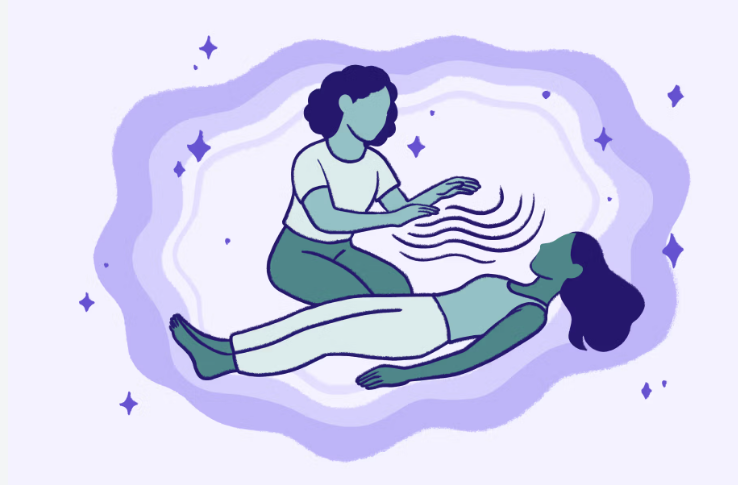
Over the last few years, more & more people have been getting super curious about using sound to feel better. Whether it’s the deep hum of a Tibetan singing bowl, the gentle tapping of a tuning fork, or even just listening to certain types of music, sound is becoming a serious tool for healing & relaxation. In this article, we’re going to explore why sound-based wellness is growing so fast, how it actually works, what some of the most popular practices are, & why so many people — from yoga studios to fancy hospitals — are starting to pay attention.
What Exactly Is Sound-Based Wellness?
Sound-based wellness is basically using different kinds of sounds & vibrations to help your body & mind feel better. Think of it like this: you know how a good song can instantly change your mood? One minute you’re sad, & then your favorite song comes on & suddenly you feel like dancing. That’s actually a tiny example of sound wellness in action! Scientists & healers have taken that idea much further, studying how specific sounds can calm the nervous system, reduce stress, & even help people sleep better.
The practice isn’t new at all. Ancient cultures — from Egypt to India to Greece — used sound in healing rituals for thousands of years. They believed that certain sounds could bring the body back into Balance & harmony. Monks in Tibet have been chanting & using singing bowls for centuries. Indigenous communities around the world have used drums & rhythmic music in healing ceremonies. So while it may feel trendy right now, sound wellness is actually one of the Oldest healing traditions on the planet.
What makes it interesting today is that Modern Science is catching up. Researchers are now studying how sound affects the brain & body in very real, measurable ways. Studies show that certain sound frequencies can lower cortisol (that’s the stress hormone), slow down the heart rate, & even help improve focus & mental clarity. So when someone says “sound healed me,” there’s actually some real science starting to back that up.
The Science Behind Why Sound Works
Okay, so here’s the cool science part — but don’t worry, we’ll keep it simple! Your body is basically made up of vibrations. Every cell, every organ, even your bones — they all vibrate at certain frequencies. When things in your body get out of rhythm (maybe because of stress, illness, or just a really bad week), sound can actually help nudge things back into alignment. This idea is called Resonance, & it’s a big deal in the world of sound healing.
One of the most talked-about concepts is something called Brainwave Entrainment. This is when your brain starts to sync up with a sound it’s hearing. For example, if you listen to slow, rhythmic beats, your brain can start to slow down too, moving from a busy, stressed state to a calm, relaxed one. This is why things like binaural beats — a type of audio where different frequencies are played in each ear — have become So Popular on apps & YouTube channels. Millions of people use them every night to help themselves fall asleep.
Another fascinating area is Cymatics, the study of how sound physically shapes matter. Scientists have shown that when sound waves hit a surface covered in sand or water, they create beautiful, symmetrical patterns. If that’s what sound can do to sand & water, imagine what it might be doing inside a body that’s mostly made of water! This kind of visual proof gets a lot of people really excited about taking sound therapy seriously.
Popular Sound-Based Wellness Practices You Should Know About
There are quite a few ways people are exploring sound wellness today. Let’s look at some of the most popular ones that are getting a lot of attention.
Singing Bowl Therapy
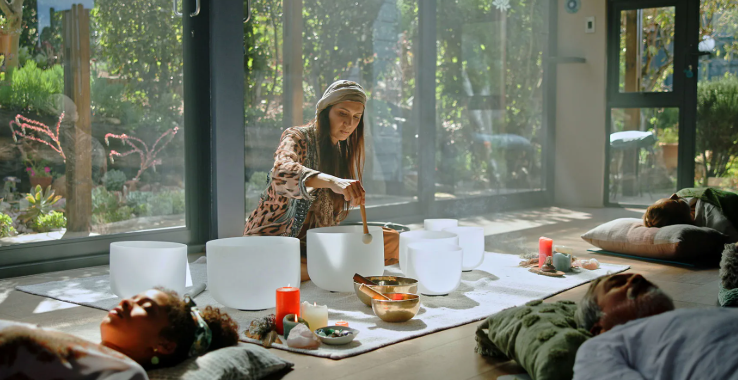
Tibetan singing bowls are these beautiful metal bowls that make a long, rich humming sound when you strike them or rub the edge with a stick. During a singing bowl session, bowls of different sizes are placed around & sometimes on the body. The vibrations travel through the body & many people report feeling deeply relaxed, almost like a full-body massage — but with Sound instead of hands. Yoga studios, wellness centers, & even some therapists now offer singing bowl sessions as a way to help clients de-stress & process emotions.
Sound Baths
A sound Bath is one of the most popular sound wellness experiences right now. It’s basically a group or solo session where you lie down & get “bathed” in layers of sound from instruments like gongs, crystal bowls, chimes, & flutes. Many people describe it as a deeply meditative experience. Some say they see colors or images behind their eyelids. Others just fall into the deepest sleep they’ve had in years. Sound baths have exploded in popularity, showing up in wellness festivals, gyms, & even Corporate Wellness programs at companies trying to help their employees manage stress.
Music Therapy
Music therapy is a little more structured & is actually a recognized healthcare profession. Trained music therapists use music — listening, creating, singing, & playing — to help people with everything from autism spectrum disorder to cancer recovery to mental health challenges. It’s being used in hospitals, schools, & rehabilitation centers all over the world. The beauty of music therapy is that it meets people where they are — there’s no “right” kind of music, & you don’t need to be talented or musical at all to benefit from it.
Tuning Fork Therapy
Tuning forks are metal tools that produce a specific musical note when struck. In tuning fork therapy, these are applied near the body or directly on certain points (kind of like acupuncture, but with sound instead of needles). Practitioners believe that the vibrations help release tension & bring the body’s energy back into Balance. It’s gentle, non-invasive, & growing in popularity among people who are curious about holistic healing but aren’t sure where to start.
Binaural Beats & Digital Sound Wellness
This one is a modern twist on ancient ideas. Binaural beats are created by playing slightly different sound frequencies in each ear through headphones. Your brain perceives a “third” frequency — the difference between the two — & starts to Sync up with it. Different frequencies are linked to different mental states: Delta waves for deep sleep, Theta for meditation & creativity, Alpha for relaxed focus. Millions of people now use binaural beat tracks daily, making digital sound wellness one of the fastest-growing parts of the whole industry.

Why So Many People Are Drawn to Sound Wellness Right Now
Let’s be Real — the world is pretty stressful these days. Between work pressures, social media overload, & the general craziness of modern life, a lot of people are looking for new ways to calm down & feel human again. Sound wellness fits perfectly into that need because it’s Accessible, gentle, & often deeply relaxing in a way that feels almost magical.
Another reason it’s growing so fast is that it doesn’t require much from you. You don’t have to be flexible like in yoga. You don’t have to be quiet & still like in Meditation (though that helps). You can just lie there & let the sound do the work. For people who struggle with traditional meditation because their minds won’t stop racing, sound gives the brain something to focus on — & that can be a Total Game-Changer.
There’s also a growing community around sound wellness. People are going to sound bath events & meeting others who care about their wellbeing. Social media is full of videos of singing bowls & gong baths that get millions of views. Celebrities & wellness influencers have talked about their experiences with sound healing, which has brought a whole new audience to the practice. When something feels good & people share it, it spreads — & that’s exactly what’s happening here.
Things to Keep in Mind Before You Try It
Sound wellness is generally very safe & gentle for most people. But it’s always a good idea to approach any wellness practice with a little bit of common Sense. If you have epilepsy or are sensitive to loud sounds, it’s smart to check with a doctor first before attending a gong bath or using binaural beats. If you’re dealing with serious mental health challenges, sound therapy can be a wonderful complementary tool, but it should work alongside — not Replace — professional medical care.
Also, not every practitioner is created equal. Since sound wellness isn’t as strictly regulated as traditional medicine, it’s worth doing a little research before booking a session. Look for practitioners who have real training, good reviews, & a transparent approach to what they offer & what they don’t claim to cure. A good sound wellness practitioner will never promise miracles — they’ll just help you relax & feel better, which is honestly More than Enough.
Wrapping It All Up: The Sound of a Healthier Future
Sound-based wellness practices are no longer just a fringe thing reserved for spiritual seekers or people at Yoga retreats. They’re moving into hospitals, schools, workplaces, & living rooms all over the world — & for very good reason. The combination of ancient wisdom & growing scientific support makes sound wellness one of the most exciting areas in the broader wellness movement today.
Whether you’re dealing with chronic stress, trouble sleeping, anxiety, or just feeling a little disconnected from yourself, sound wellness might offer something genuinely helpful. It’s worth trying a sound bath, downloading a binaural beat track, or even just spending ten minutes listening to calming music with your eyes closed & your phone face-down. You might be surprised by how quickly your body & mind respond.
The takeaway? Sound is all around us, every single day. Most of the time, we barely notice it. But when we pay attention & use it intentionally, it can become one of the most powerful & accessible wellness tools we have. So the next time you’re feeling overwhelmed, maybe don’t reach for your phone or another cup of coffee. Instead, close your eyes, take a breath, & listen. Your body might just be waiting for the right frequency to help it find its way back to calm. Give sound wellness a Try — your mind, body, & spirit will thank you for it.